Guia de travesseiro anti-ronco: mudar de travesseiro pode realmente parar o ronco?
O ronco é frequentemente um problema mecânico causado pelo queixo rebaixado que comprime a garganta. Saiba o que a ciência postural recomenda.
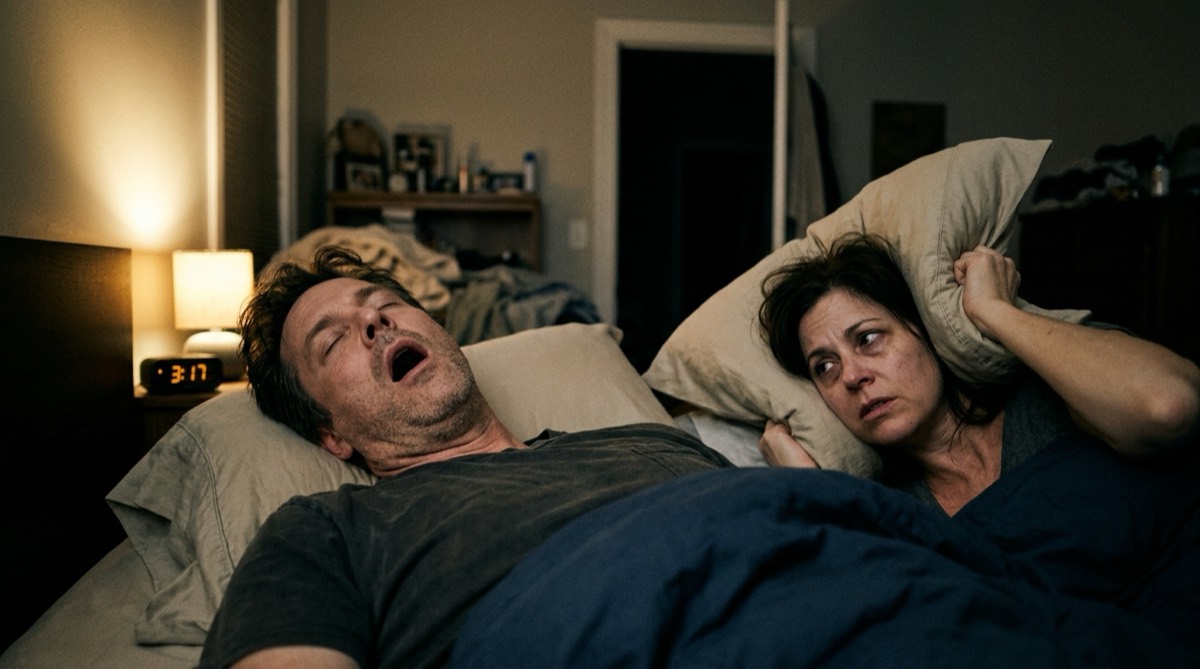
- Snoring happens when airflow vibrates relaxed soft tissues in a narrowed throat passage.
- Pillow height directly dictates chin angle: an overly thick pillow forces your chin to your chest, while a flat pillow lets your head sag backward.
- Elevating the head while supporting the cervical curve helps maintain open airways in side and back positions.
- A pillow is an ergonomic comfort aid, not a cure for medical sleep apnea. Always consult a physician for choking or severe breathing pauses.
What Actually Causes Snoring While You Sleep?
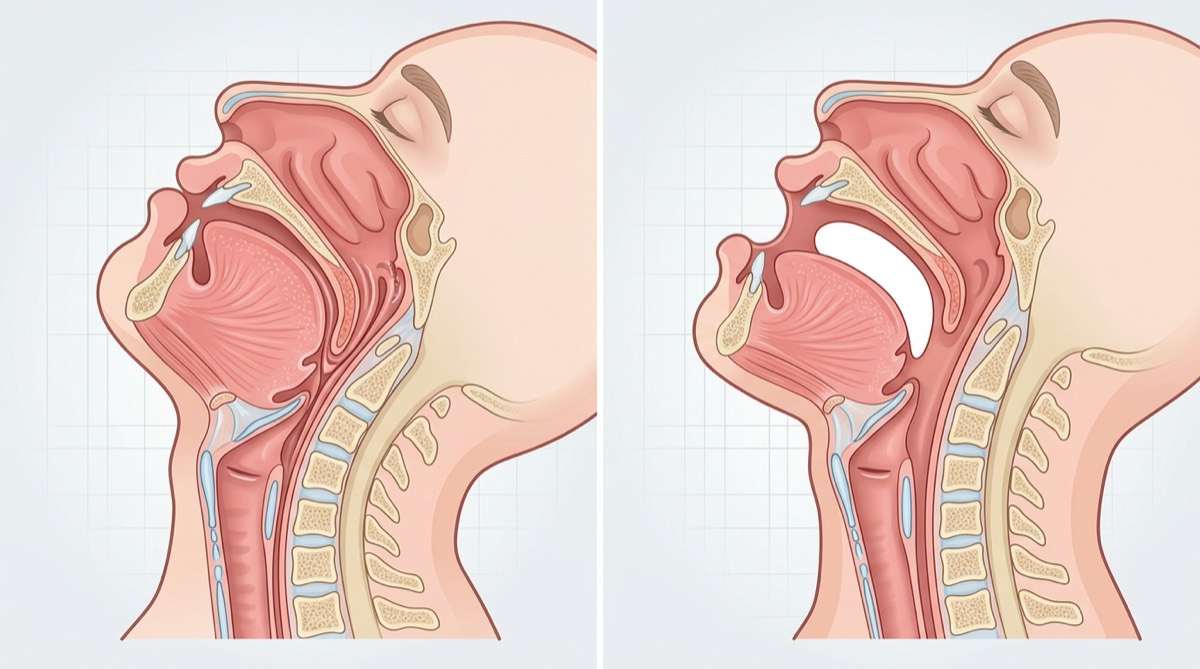
When you slip into deep sleep, the muscles supporting your tongue, soft palate, and throat naturally relax. In an ideal posture, the airway remains wide enough for air to pass quietly. But if your neck bends forward or backward, that narrow tube becomes compressed. As air rushes through the restricted opening, surrounding tissues flutter and vibrate—generating the familiar sound of snoring.
While lifestyle factors like alcohol consumption and congestion contribute, nighttime posture is the primary physical trigger that determines how open your airway remains hour after hour.
The Chin-Tuck Trap: Why Your Pillow May Be Making Snoring Worse
Most people assume a firmer, taller pillow will elevate them and reduce snoring. In reality, sleeping on a thick pillow creates what sleep clinicians call the chin-tuck trap: propping your skull forward so your chin presses toward your collarbone. This kinks the trachea like a bent garden hose.
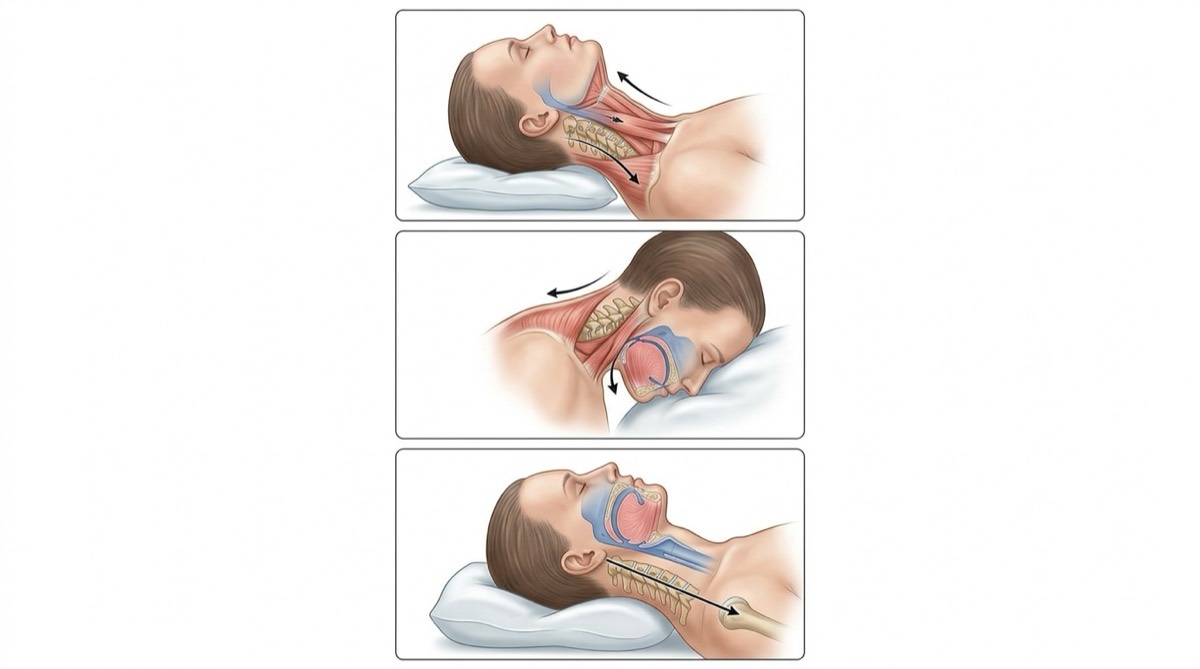
Why Ordinary Pillows Fail to Prevent Snoring
- Down and polyester pillows collapse within hours, dropping your neck into awkward angles by 2 AM.
- Flat pillows allow the jaw and tongue to fall backward under gravity when sleeping on your back.
- Standard memory foam blocks are too rigid and force the head into a single unyielding elevation.
- Most pillows ignore shoulder clearance, twisting side sleepers' necks and pinching throat passages.
What Makes an Effective Anti-Snoring Pillow?
To effectively reduce posture-induced snoring, an orthopedic pillow must satisfy three biomechanical criteria:
- Cervical Neck Cradle: Supports the natural lordotic curve of the neck to keep the chin comfortably neutral without flexing forward.
- Lateral Side Wings: Fills the ear-to-shoulder gap so side sleepers don't roll onto their backs or kink their airways.
- High-Density Resilience: Maintains consistent anatomical height from the moment you fall asleep until your morning alarm.
The Anti-Snoring Pillow We Recommend: Derila Ergo
After testing contour pillows across various sleep postures, our top editorial pick is the Derila Ergo. Its proprietary butterfly geometry supports the neck rather than merely propping the skull, providing consistent airway clearance.
Cervical Alignment Cradle
Gently supports the neck to keep the chin raised and breathing passages unobstructed all night.
Lateral Anti-Roll Wings
Provides comfortable side support that discourages accidental rolling into loud back-sleeping postures.
Open-Cell Airflow Channels
Regulates temperature to prevent overheating and nasal tissue congestion.
Multi-Posture Flexibility
Transitions smoothly between back, side, and combination sleeping without losing shape.
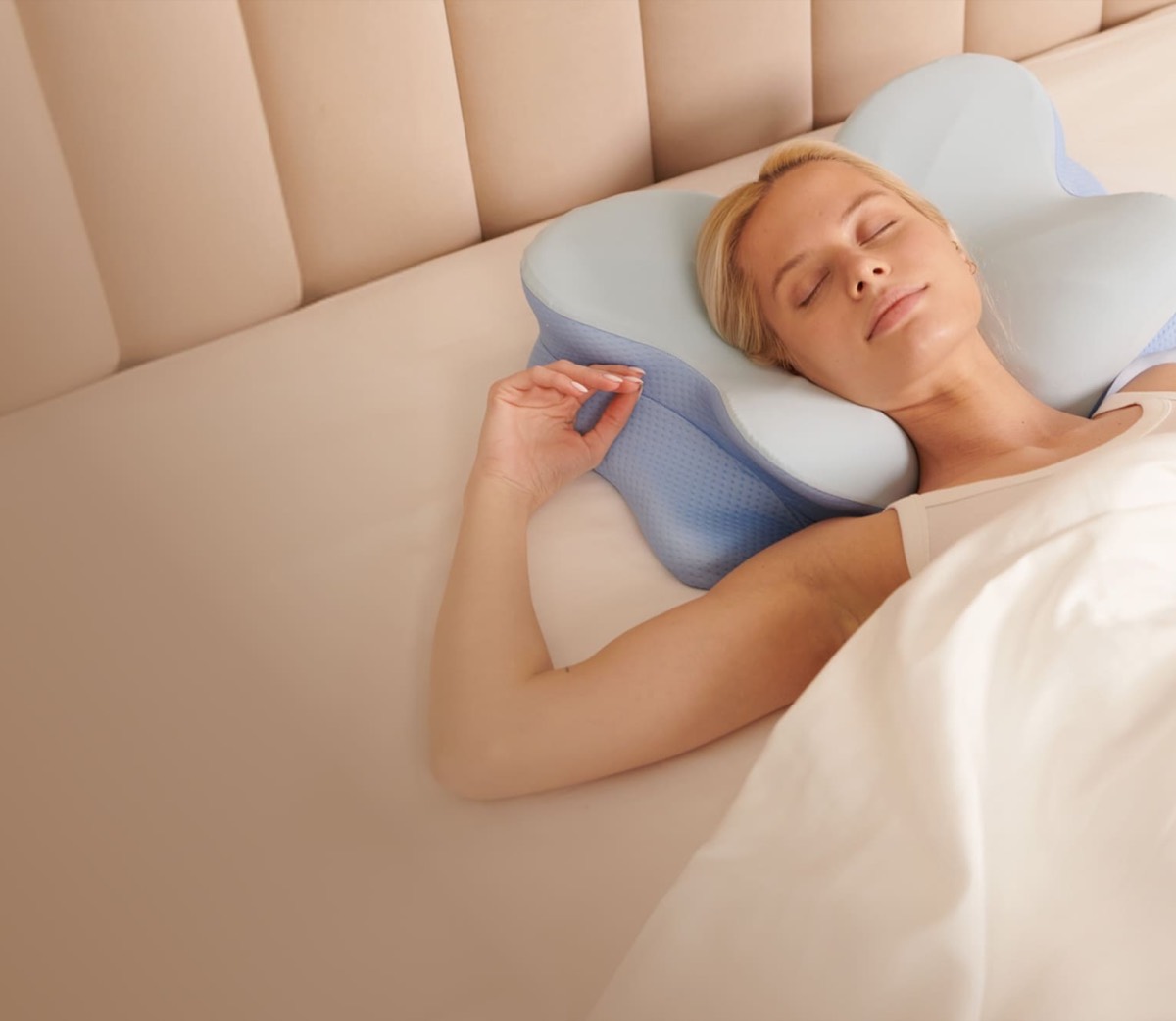
Derila Ergo Anti-Snoring Contour Pillow
Patented butterfly cervical support engineered to keep airways clear and mornings quiet. Includes 60-day money-back guarantee.
Check Today's Price & Stock →Who Benefits Most From an Anti-Snoring Pillow?
- Back sleepers whose partners report rattling or loud breathing
- Side sleepers who wake up with dry mouth or morning throat irritation
- Anyone currently using bulky, multiple stacked pillows
- Couples seeking quiet nights without sleeping in separate bedrooms
Curious about your personal sleep posture? Take our free 60-second snoring and airway posture quiz, or read our full Derila Ergo review and deal breakdown.

How Anti-Snoring Solutions Compare in Cost
| Overnight clinical sleep study | $1,000 – $3,000 |
| Custom dental mandibular advancement splint | $1,500 – $2,500 |
| Monthly supply of nasal dilator strips & cones | $30 – $50 / mo |
| Drawer of anti-snoring mouthguards & chin straps | $120+ |
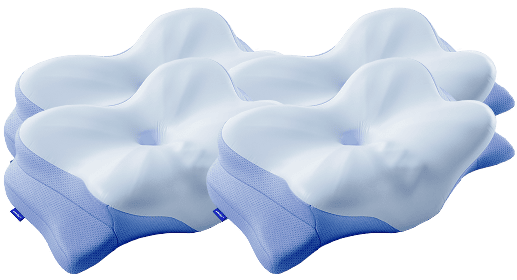
| Derila Ergo (4-pack promotional rate per pillow) RECOMENDADO | $37.49 |
Typical U.S. consumer retail ranges. Actual prices vary by provider and insurance coverage.
Frequently Asked Questions About Anti-Snoring Pillows
Can a contour pillow completely cure my snoring?
A contour pillow helps address positional snoring caused by tucked chin alignment or soft tissue collapse. However, snoring caused by deviated septums, enlarged tonsils, or sleep apnea requires medical evaluation.
Does this pillow work for both back and side sleepers?
Yes. The central hollow is contoured for back sleepers to keep the chin lifted, while the raised butterfly wings fill the shoulder gap when rolling onto your side.
How long does it take to see results?
Many sleepers and their partners notice quieter nights within the first 1 to 3 nights as head and airway alignment improve immediately.
What is the return policy?
Every Derila Ergo ordered through the official promotional link comes with a 60-day money-back guarantee.
How do I wash the pillow?
The pillow features a zippered outer cover that easily unzips and is machine washable. The memory foam core can be spot-cleaned with a damp cloth.
How to Claim the Current Manufacturer Discount
For a limited time, the manufacturer is offering up to 70% off with tracked delivery and a 60-day guarantee.
- 60-day money-back guarantee
- Tracked physical shipping
- Secure ClickBank 256-bit encrypted checkout
Divulgação de afiliados: O Deals Direct Daily é um portal editorial independente. Podemos receber comissões por compras qualificadas sem custo extra.
Aviso médico: Este conteúdo é puramente informativo e não substitui avaliação clínica de um especialista em sono.